3rd Grade Batter Up
A Designer’s First Stitch Test: Warm, Playful, and Full of Heart
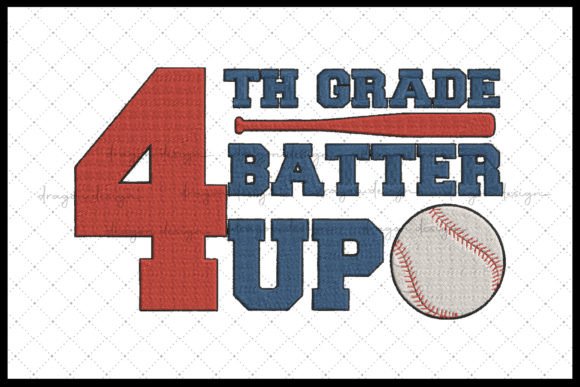
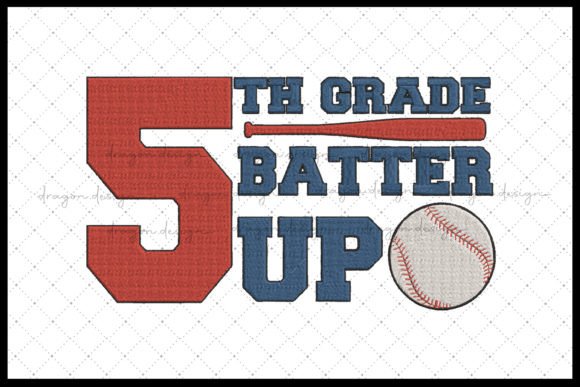
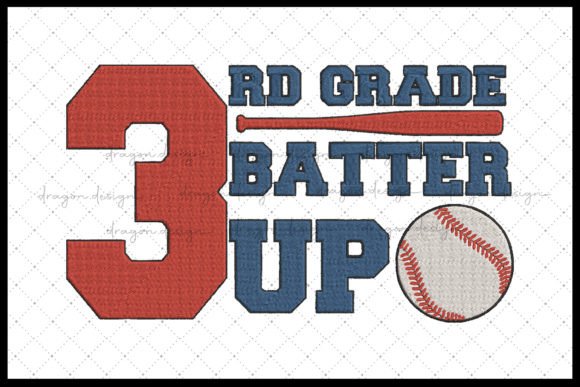
As an embroidery designer who’s spent over a decade turning ideas into stitched heirlooms, I opened 3rd Grade Batter Up with quiet curiosity—and smiled before the first needle dropped. This isn’t just another back-to-school motif. It carries the gentle confidence of a child stepping up to the plate for the first time: hopeful, slightly wobbly, full of pride. The lettering is friendly—not too formal, not too cartoonish—with soft curves and balanced spacing that reads clearly at 3–4 inches. The baseball motif is subtle but unmistakable: a stitched ball with delicate stitch-defined seams, not a flat icon. It feels handmade, not mass-produced—like something you’d stitch onto a baby blanket for a future Little League star or embroider on a linen apron for a teacher starting her third year.
Where This Design Truly Shines
3rd Grade Batter Up is quietly versatile—especially for makers who sell personalized gifts rooted in milestones. Here’s where it lands beautifully:
- Baby embroidery: Perfect for onesies, burp cloths, or muslin swaddle blankets—pair it with soft pastel thread colors and a lightweight stabilizer for breathable comfort.
- Wedding gift: Surprise the couple whose child is entering third grade—stitch it onto a monogrammed kitchen towel or pillow cover as a lighthearted “family milestone” keepsake.
- Nursery decor: Works wonderfully on framed hoop art or cotton canvas wall hangings—add a tiny embroidered baseball beside the child’s name for extra charm.
- Embroidered towel & custom tote: Holds up well on medium-weight terry and canvas when digitized thoughtfully—ideal for school spirit, PTA events, or craft fairs.
- Etsy seller & small shop product: Its emotional resonance helps listings stand out. Customers searching for “third grade graduation gift” or “personalized back-to-school embroidery” will pause—and connect.
Thoughtful Placement Matters
Like any strong machine embroidery design, 3rd Grade Batter Up rewards intentionality. Avoid using it where clarity or durability could suffer:
- Small lettering on curved surfaces: Don’t shrink it below 2.5 inches on baseball caps or curved mugs—it loses legibility and stitch integrity.
- Stretchy baby clothes: Use cutaway stabilizer and test on scrap knit fabric first—the lettering needs support to prevent puckering.
- Thick towels or textured fabric: Reduce stitch density slightly if your embroidery software allows, and always hoop tightly with tear-away + light cutaway combo.
- Dark fabric: Choose high-contrast thread colors (e.g., cream on navy, bright kelly green on charcoal). A printable mockup helps visualize this before stitching.
- Frequent-wash items: Reinforce with secure underlay and avoid overly dense fill areas—this preserves softness and longevity in blanket embroidery or pillow covers.
Why It Elevates Your Handmade Product—Beyond the Stitch
What makes 3rd Grade Batter Up more than decoration? It deepens giftability. When customers see this on your Etsy listing or boutique shelf, they don’t just see a phrase—they see recognition. A nod to growth. A quiet celebration of perseverance. That emotional connection lifts perceived value instantly. It tells buyers: *This wasn’t mass-printed. It was chosen, customized, and stitched with care.* That trust translates directly into repeat orders and heartfelt reviews.
Photography benefits, too. The balanced composition and warm tone photograph cleanly—even on neutral backdrops. Pair it with natural light and a simple folded blanket or rolled towel, and your finished product looks editorial, not amateur. For digital embroidery file sellers, offering a clean, styled mockup alongside the file builds credibility fast. For craft fair vendors, stitching a few samples ahead of time—on different fabrics and thread combos—lets you answer questions like “Will this work on linen?” or “Does it hold up after washing?” with confidence.
Practical Embroidery Notes Before You Stitch
Before adding 3rd Grade Batter Up to your next batch of custom embroidery orders, take these five essential steps:
- Test on scrap fabric—especially if you’re new to the design or switching materials (e.g., from cotton twill to terry cloth).
- Check thread color contrast across light and dark fabric mockups. What reads beautifully on white may disappear on heather gray.
- Confirm hoop size compatibility. Does it fit comfortably in your most-used hoop without re-hooping mid-stitch?
- Review stitch density. If it feels heavy on fine fabrics, consider adjusting fill density in your editing software—or contact the designer for a lighter version.
- Use proper stabilizer for your base fabric—and don’t skip the test stitch. A lightweight cutaway works wonders for baby embroidery; a tear-away + topping combo shines on towels.
And one final note: Always verify commercial licensing terms before selling finished products. As a small business owner or Etsy seller, protecting your livelihood starts with respecting the rights tied to every digital embroidery file you use.
Final Thoughts From the Hoop
3rd Grade Batter Up isn’t flashy—but it’s memorable. It’s not complicated—but it’s crafted with attention. It fits seamlessly into baby embroidery, wedding gift collections, back-to-school bundles, and everyday handmade product lines. Whether you’re stitching for a local preschool fundraiser or building a curated Etsy shop around meaningful milestones, this design adds warmth, personality, and quiet professionalism to every finished product. Just remember: great embroidery begins not with the machine—but with thoughtful testing, intentional placement, and respect for how each stitch contributes to the story you’re helping your customers tell.