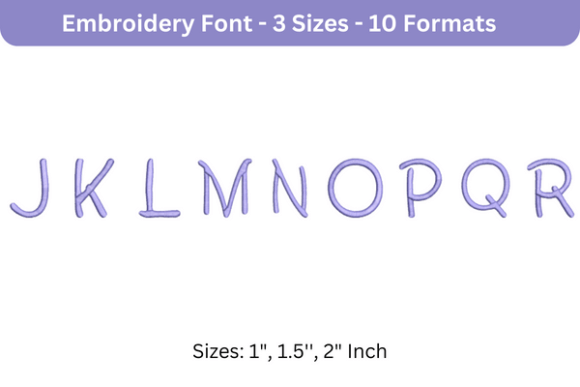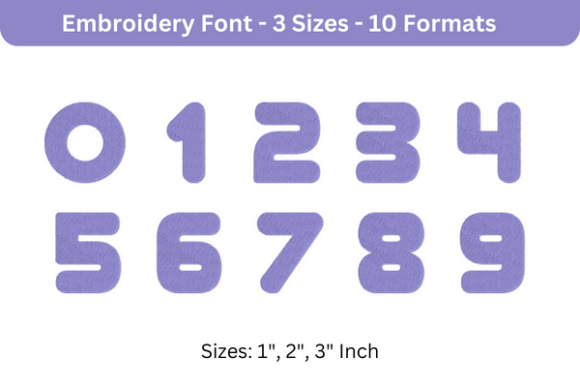
You Are Here Font 0 to 9
First Impression: Clean, Confident, and Quietly Clever
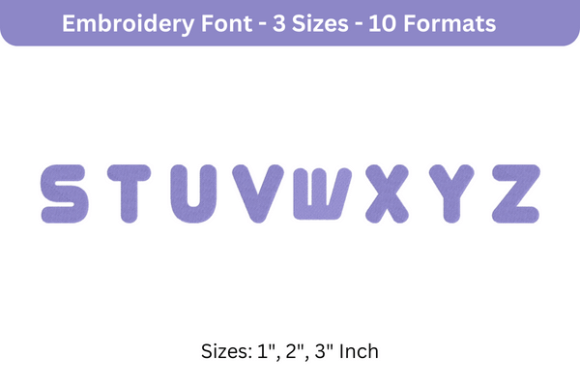
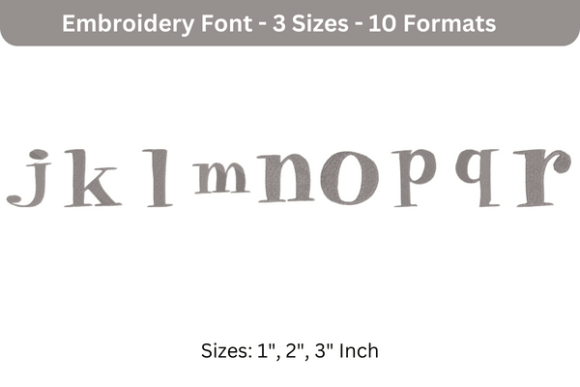
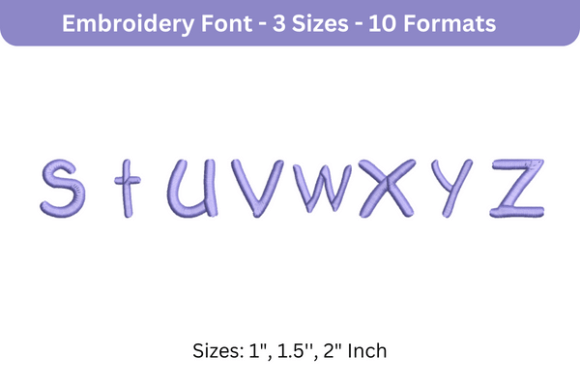
As an embroidery designer who’s stitched over 300 craft fair booths—from snowy mountain markets to sun-drenched coastal pop-ups—I opened You Are Here Font 0 to 9 expecting a novelty script. Instead, I found something far more valuable: a grounded, legible, and quietly expressive machine embroidery design. It’s not overly decorative or cutesy—no swirls, no drop shadows, no forced whimsy. It reads as modern-minimal with a hint of handmade warmth: think clean lines, balanced spacing, and just enough character to feel intentional. That subtle “you are here” resonance makes it instantly relatable for Back To School shoppers, but also timeless enough for year-round handmade product use.
Where It Shines on Craft Fair Staples
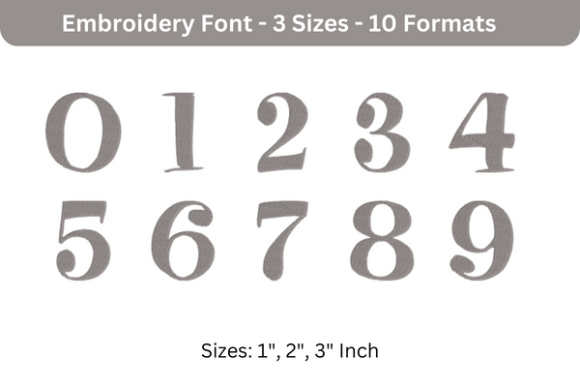
This font doesn’t need fanfare—it earns attention through clarity and context. On a natural linen tote bag? Perfect. The uppercase numerals and clean letterforms hold up beautifully at 2.5–3 inches tall, especially centered above a small embroidered icon (a pencil, open book, or compass). On an apron? It anchors the chest pocket area without overwhelming—ideal for personalizing with a student’s name or teacher’s initials. For tea towel embroidery, You Are Here Font 0 to 9 works best as a subtle lower-corner monogram or date stamp (e.g., “2024” or “MAY 12”), where its even stroke weight reads cleanly against textured cotton.
Embroidered patches benefit most from this design’s structure: crisp edges and consistent height make it ideal for iron-on or sew-on appliqués on backpacks, denim jackets, or market bags. On caps? Use only the numerals or single letters—avoid full words unless you’re stitching at 3.5+ inches and using a high-quality cap hoop. Small fabric pouches and pillow covers let the font breathe; a centered “2024” or “JULY” adds quiet sophistication to gifting collections.
What Makes It Sell on the Floor—and Online
In person, You Are Here Font 0 to 9 performs like a trusted favorite—not flashy, but instantly understood. Customers pause, read it aloud (“You are *here*…”), then smile. That micro-moment of recognition builds connection faster than ornate fonts ever do. It photographs exceptionally well for Etsy listings and printable mockups: no fine serifs to blur, no overlapping elements to misalign, and strong contrast between positive and negative space. As a digital embroidery file, it scales predictably—making batch production efficient for small shop owners juggling multiple orders before a fair weekend.
It also strengthens brand consistency. Whether you’re selling embroidered market bags under one name and handmade tea towels under another, You Are Here Font 0 to 9 delivers visual cohesion across categories. Its restraint lets your fabric choices, thread colors, and product quality take center stage—enhancing perceived handmade value instead of competing with it.
Practical Production Notes Every Embroiderer Should Know
Before cutting fabric or loading hoops, test You Are Here Font 0 to 9 on scrap pieces that match your final materials. This isn’t just about stitch count—it’s about how the design behaves in real conditions:
- Fabric texture matters. On thick canvas or looped terry cloth (like some kitchen towels), reduce density slightly or increase stabilizer layers—otherwise, tiny interior corners may pucker or lose definition.
- Dark fabric demands contrast. Pair light thread (ecru, soft white, or pale grey) with charcoal or navy linens—but avoid yellow or pastel threads on black; they’ll vanish under fair lighting.
- Hoop size and placement are critical. The design works best in standard 4x4 or 5x7 hoops. Avoid stretching it into oversized hoops unless you’ve verified spacing integrity—letter proportions can distort.
- Small sizes need caution. Below 1.25 inches tall, the zero and lowercase “o” may fill in or appear indistinct. Reserve tiny applications (like on keychain tags) for numerals only—and always run a test stitch-out first.
- Curved surfaces require stabilization. Caps and curved pouch seams need cutaway + tear-away combo stabilizer. Skip lightweight fusible-only options—they won’t support the consistent stitch density this font relies on.
Design Assets That Build Trust—and Sales
When preparing booth samples, create at least one finished product using You Are Here Font 0 to 9 in a real-world context: a cream tea towel with “AUGUST” stitched in oatmeal thread, or a navy tote with “2024” in crisp white. Hang it where fairgoers walk by—not tucked in a basket, but displayed upright like a gallery piece. That physical presence proves quality better than any screen image.
For Etsy sellers and digital embroidery file shops, pair this font with complementary design assets: simple border motifs, minimalist icons, or coordinating monogram frames. Bundle it thoughtfully—not as a standalone font pack, but as part of a “Back To School Starter Kit” or “Handmade Gift Collection.” Buyers don’t search for fonts; they search for solutions. You Are Here Font 0 to 9 solves the problem of meaningful, scalable personalization without sacrificing craftsmanship.
A Final Note to Creative Entrepreneurs
This isn’t just another embroidery file. It’s a quiet confidence-builder—for your products, your booth, and your buyer relationships. It invites interaction without demanding attention. It supports storytelling (a graduation date, a first-day-of-school tote, a handmade gift tag) without overshadowing the item itself. Before launching it commercially, confirm your commercial embroidery license covers finished product resale—and verify that your digitizer optimized stitch density for varied fabric weights. Then trust it. Stitch it. Display it. Watch customers point, pause, and say, “I need that.” Because in handmade markets, sometimes the most powerful statement is simply: You Are Here Font 0 to 9.